What is Haemophilia?
Haemophilia is a rare genetic bleeding disorder that affects a person's ability to stop bleeding. People with haemophilia can bleed longer than others after an injury or even without a known cause.
While there is no cure, modern treatments allow people with haemophilia to live full, active and healthy lives. Early diagnosis, proper treatment and ongoing support are key to preventing complications and joint damage.
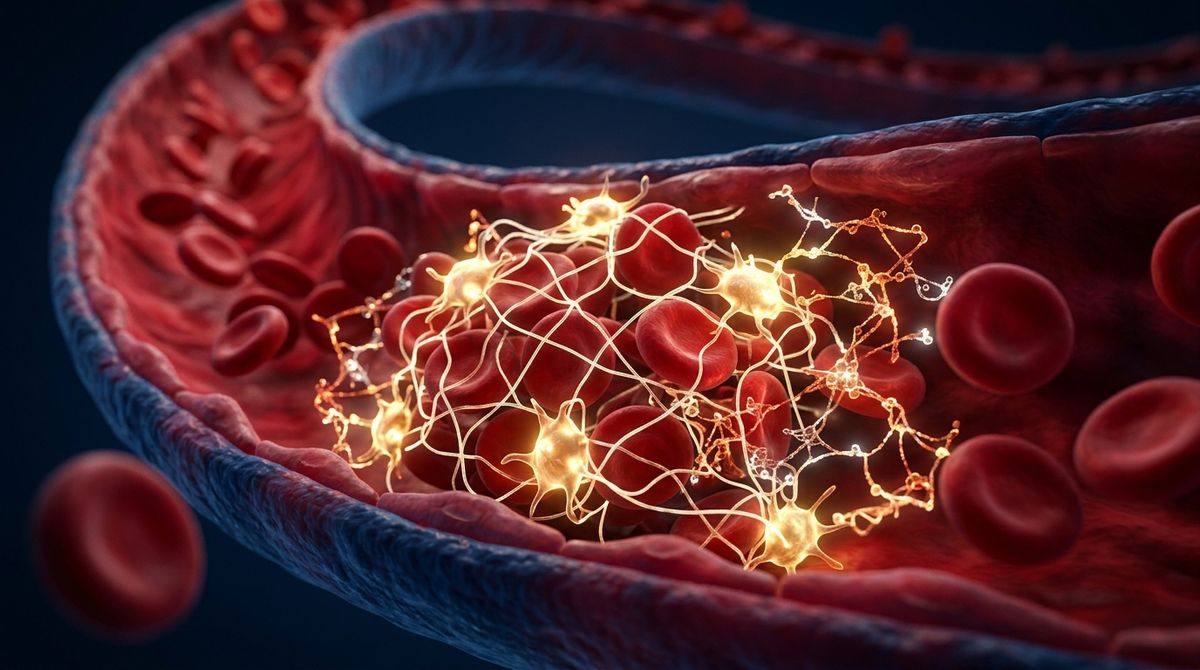
Types of Haemophilia
The two main types of haemophilia — both require proper diagnosis and lifelong management.
Haemophilia A
Caused by a deficiency of factor VIII. The most common type.
Haemophilia B
Caused by a deficiency of factor IX. Sometimes called Christmas disease.
Common Symptoms
Recognizing the signs of a bleeding disorder is the first step toward diagnosis and proper care.
Easy Bruising
Unexplained bruises from minor bumps or pressure.
Frequent Nosebleeds
Recurring nosebleeds that are hard to stop.
Bleeding Gums
Gums that bleed during brushing or eating.
Joint Pain or Swelling
Painful, swollen joints after minor injury or activity.
Prolonged Bleeding
Bleeding that lasts longer than expected after cuts.
Von Willebrand Disease
Von Willebrand Disease is the most common inherited bleeding disorder, affecting both males and females equally. It is caused by a deficiency or dysfunction of von Willebrand factor, a protein that helps blood clot.
There are three main types of VWD — Type 1 (mild), Type 2 (moderate), and Type 3 (severe). Treatment focuses on managing bleeding episodes and may include desmopressin or factor replacement therapy.
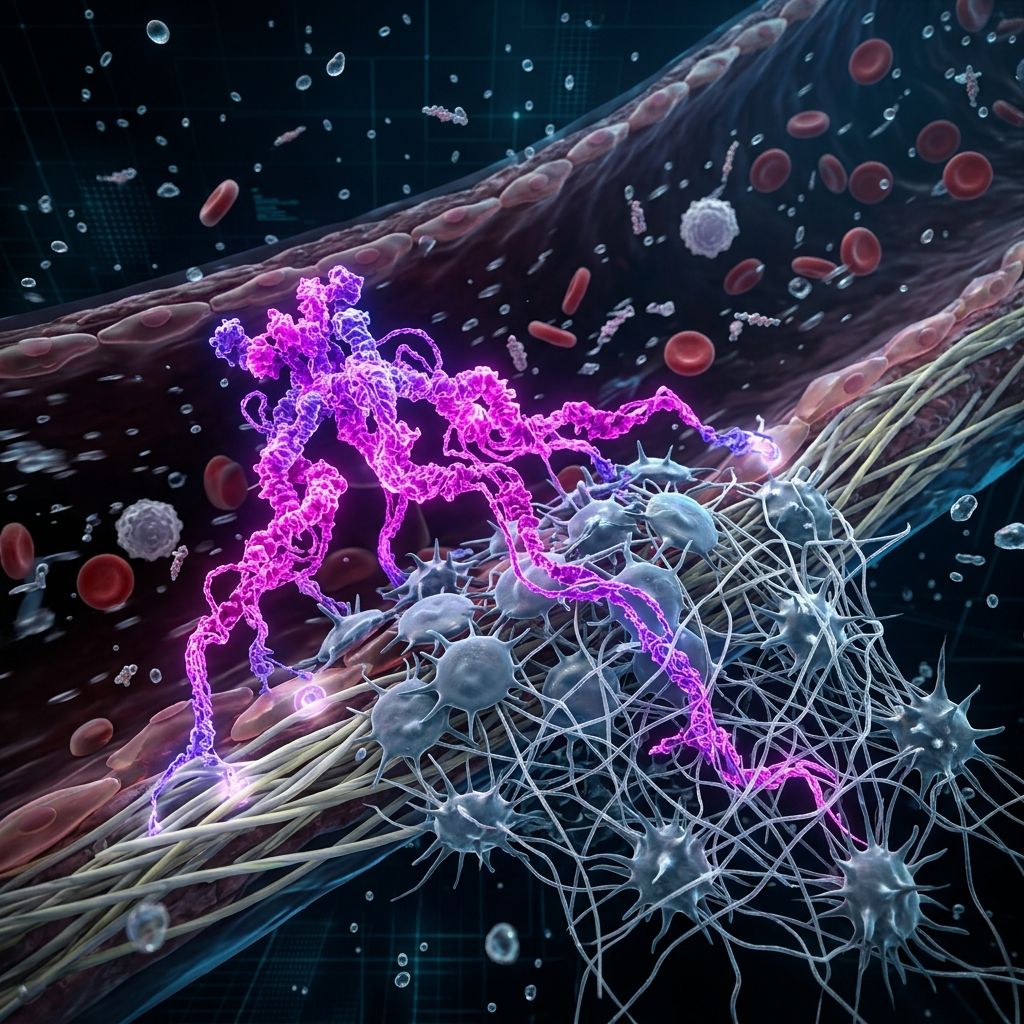
Other Bleeding Disorders
Rare Factor Deficiencies
Deficiencies in factors I, II, V, VII, X, XI, XII and XIII. Each requires specific diagnosis and treatment.
Platelet Function Disorders
Conditions where platelets don't work properly, leading to bleeding despite normal platelet counts.
For more information on any bleeding disorder, contact our team or visit a treatment centre.